

Serving the Unhomed
Homelessness is not a character flaw — it’s a policy failure we can fix.
District 21—At The Center.
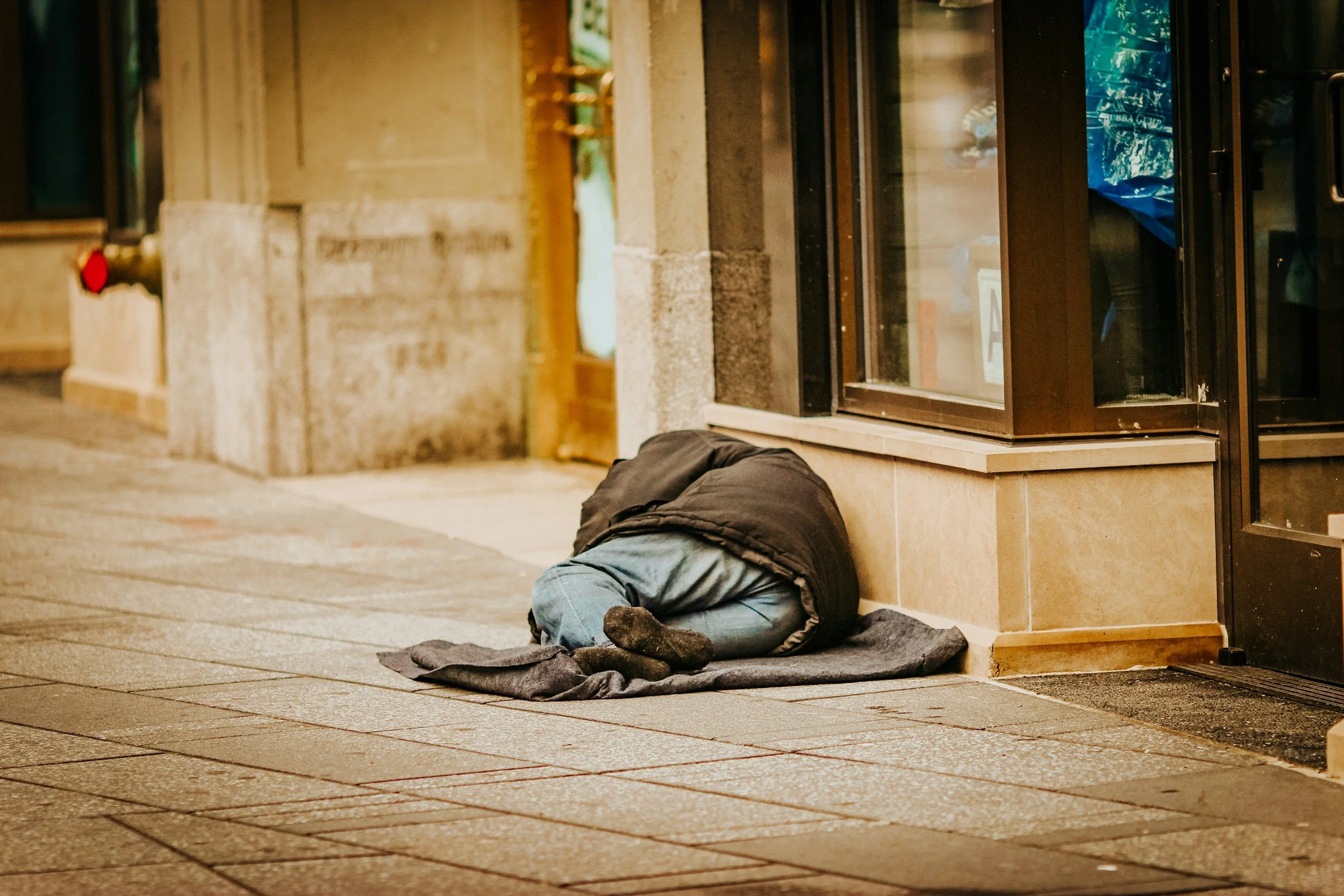
District 21 sits at the center of Salt Lake City’s ongoing efforts to address homelessness. Our neighbors on the Westside see the human toll every day — individuals and families living in shelters, in cars, or on the street, many of whom are dealing with mental health challenges, addiction, domestic violence, or simply the consequences of rising housing costs that outpaced their income.
Utah once earned national recognition for its progress on chronic homelessness. But the reality on the ground has grown more complex: rising rents, an insufficient supply of deeply affordable housing, and gaps in behavioral health services have outpaced the resources dedicated to solutions. Meanwhile, residents and business owners in our neighborhoods bear a disproportionate share of the impact.
Jeneanne approaches this issue with compassion, pragmatism, and an understanding that lasting solutions require coordination across housing, healthcare, and social services. In the legislature, she will advocate for:
Funding permanent supportive housing — the proven model that combines stable housing with wraparound services for individuals experiencing chronic homelessness. Housing-first approaches work, and they save taxpayer money compared to the revolving door of emergency rooms and jails.
Expanding access to behavioral health and substance use treatment so that people experiencing homelessness can get the help they need, when they need it — not months down a waitlist.
Investing in homelessness prevention programs, including emergency rental assistance, utility assistance, and rapid re-housing services that catch families before they fall into the shelter system.
Supporting outreach workers and case managers who build trust with unhoused individuals and connect them to services — a critical role that is chronically underfunded.
Ensuring equitable distribution of shelter and service facilities across Salt Lake City and the region, so that the Westside is not asked to shoulder a disproportionate burden.
Engaging the people affected — individuals with lived experience of homelessness — in shaping the policies and programs designed to serve them.
Jeneanne knows that homelessness is solvable. But it requires the political will to invest in people, not just manage a crisis.